Monsters Go Mainstream: How Horror Crawled Out of the Drive-In and Into Your Emmy Nominations
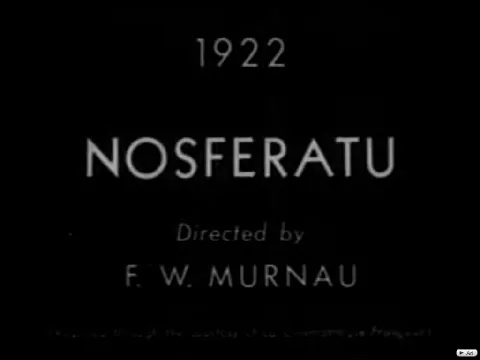
Photo: Jofa-Atelier Berlin-Johannisthal, Prana-Film GmbH, Public domain, via Wikimedia Commons
Somewhere between a teenage Jamie Lee Curtis outrunning Michael Myers in a Illinois suburb and Ari Aster making audiences sob-scream through Hereditary, something seismic happened to horror. The genre that once lived exclusively in sticky-floored theaters and late-night cable slots is now the subject of think-pieces in the Atlantic, prestige Emmy campaigns, and very serious conversations at Thanksgiving dinner. Horror didn't just grow up — it dressed up, got a streaming deal, and started charging $14.99 a month.
So how exactly did we get here? Grab a flashlight, check under the bed, and let's trace the gloriously gory path that turned scream queens and slashers into cultural royalty.
The B-Movie Basement: Where It All Started
Let's be honest about horror's origins: the genre was born cheap, fast, and deliriously weird. The 1950s and '60s gave us rubber-suited monsters, radioactive ants, and Vincent Price hamming it up in fog-machine-drenched mansions. These were films made on shoestring budgets for drive-in audiences who were arguably more interested in each other than the screen.
But something electric was happening in those low-budget trenches. Directors like Roger Corman were developing a visual language of dread. Audiences were learning that fear was fun — a safe container for all the anxieties humming beneath postwar American life. The atomic bomb, Communist paranoia, suburban conformity: horror metabolized all of it into monsters and mayhem.
Then came the 1970s, and everything changed.
The Golden Age of Slashers and the Birth of the Scream Queen
When Tobe Hooper pointed a camera at a family road trip gone catastrophically wrong in The Texas Chain Saw Massacre (1974), and when John Carpenter let Michael Myers loose on Halloween night in 1978, they weren't just making scary movies. They were writing the grammar of modern horror.
The slasher film gave us the Scream Queen — a cultural archetype that was far more complex than critics initially gave her credit for. Jamie Lee Curtis, Sigourney Weaver, Neve Campbell: these women weren't just running from monsters. They were surviving them, outwitting them, and eventually beating them with whatever blunt object was nearby. Film scholars spent decades catching up to what audiences already sensed: the Final Girl was a feminist icon hiding in plain sight inside a genre everyone was too embarrassed to analyze.
These franchises — Halloween, Friday the 13th, A Nightmare on Elm Street — built devoted cult followings that looked less like casual moviegoers and more like religious communities. They had rituals, sacred texts, and extremely strong opinions about which sequel ruined everything.
The 1990s Pivot: When Horror Got Self-Aware
Wes Craven pulled off one of the great magic tricks in film history when he made Scream in 1996. By writing characters who knew they were in a horror movie — who could cite the rules of surviving one — he simultaneously deconstructed and reinvigorated the genre. Horror became meta. It winked at the audience. It admitted it was having fun.
This self-awareness was crucial. It made horror intellectually respectable to a generation of film students and critics who might otherwise have dismissed it. If a movie could be scary and smart and funny all at once, maybe the genre deserved a second look.
Streaming, Prestige TV, and the Horror Renaissance
Fast-forward to the 2010s and '20s, and the transformation is complete. Get Out (2017) didn't just win Jordan Peele an Academy Award for Best Original Screenplay — it forced a national conversation about racial anxiety in America. The Witch, Midsommar, Hereditary: suddenly horror was the genre where the most interesting, ambitious filmmakers were doing their most daring work.
Television caught the fever too. American Horror Story proved that horror could sustain long-form narrative. The Haunting of Hill House on Netflix made grown adults call their siblings at midnight just to say "I love you." The Last of Us crossed over from gaming culture and broke HBO viewership records while making everyone cry about a fungal zombie apocalypse, which is an extraordinary sentence to type.
Streaming platforms discovered something the drive-in owners knew all along: horror is extraordinarily binge-able. Fear creates narrative momentum. You have to know what's behind the door. The algorithm loves this. Your sleep schedule does not.
Why Sophisticated Audiences Now Crave the Scream
Psychologists have a concept called "excitation transfer" — the idea that the physiological arousal from fear can be redirected into other emotions, including excitement and even euphoria. When the credits roll after a great horror film, you don't just feel relieved. You feel alive. In an era of doom-scrolling and low-grade ambient dread, horror offers something weirdly therapeutic: a controlled, consensual scare with a defined endpoint.
Modern horror also functions as a kind of cultural mirror. The best contemporary horror is explicitly about something. Us interrogates class and identity. Barbarian dissects the way women navigate dangerous spaces. The Scream reboots grapple with legacy and fandom toxicity. Even M3GAN had things to say about technology's relationship to child development. Horror has always been allegorical — it just took mainstream culture a while to notice.
Social Media Paranoia and Economic Dread: The New Monsters
Today's horror reflects today's nightmares with almost uncomfortable precision. The monster under the bed has evolved. It's the stalker who knows your location from your Instagram stories. It's the economic system that makes you feel like you're one emergency away from catastrophe. It's the viral video you can't unsee. Smile literalized the horror of witnessing trauma and having it spread like a social contagion. Skinamarink tapped into the primal childhood fear that the world might simply... stop making sense.
Horror has always been the genre brave enough to look directly at what we're most afraid to discuss. That it's doing so now in front of millions of streaming subscribers, with awards-caliber production values and A-list talent, just means the conversation got a lot louder.
The Drive-In Never Really Died
Here's the beautiful irony at the heart of horror's mainstream ascent: the genre didn't change its soul to earn respectability. It just waited. The audiences that grew up on VHS tapes and midnight screenings became the critics, showrunners, and studio executives. They brought their obsessions with them.
The drive-in is gone, but the spirit that animated it — the communal thrill of being scared together, the way darkness makes strangers into allies — that's more alive than ever. It's just streaming in 4K now, with Dolby Atmos sound design that will absolutely destroy your sleep.
And honestly? Michael Myers would probably approve.