Boo Town, USA: The Little American Villages That Cash In on October All Year Long
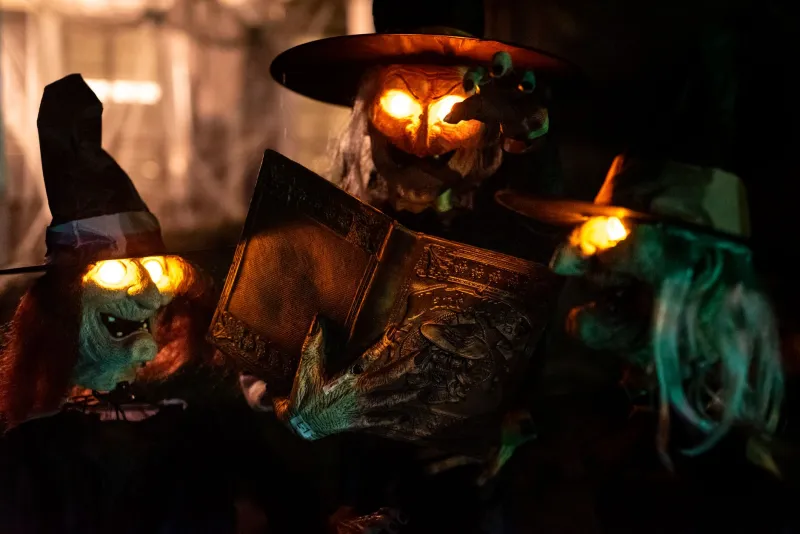
On a rainy Tuesday night in November, downtown Salem, Massachusetts is quiet enough to hear the harbor wind. The witch museums have trimmed their hours. The street performers are gone. And the gift shop owners? They're doing what they do every year around this time: counting the money that has to last until next October.
Welcome to the Halloween economy — a strange, seasonal financial ecosystem where entire towns bet their survival on one spooky month and spend the rest of the year paying down the tab.
Thirty-One Days That Pay for Three Hundred and Thirty-Four
The numbers in Salem are almost absurd. The city of roughly 45,000 residents pulls in somewhere north of a million visitors during October alone. That's not a tourism bump; that's a full-scale invasion of ghouls, witches, and people who absolutely did not read the parking signs.
"People think we close up shop after Halloween," says one Essex Street shop owner who's been selling tarot decks and handmade broomsticks for two decades. "But October is when we make the money that covers our rent for the whole year. November through September? We're living off October."
That math gets repeated in haunted hamlets across the map. In Sleepy Hollow, New York, the legend of the Headless Horseman drives a fall frenzy centered on the village's famous cemetery tours and the Great Jack O'Lantern Blaze, where thousands of hand-carved pumpkins light up the Hudson Valley. Local historians estimate the season brings in visitors from all fifty states and dozens of countries — for a village of fewer than 10,000 people.
And then there's Anoka, Minnesota: the self-declared "Halloween Capital of the World," a title it's been defending with parades and house-decorating contests since 1920. Anoka's claim is a badge of honor, but it's also a business plan. The town's chamber of commerce runs Halloween like a corporate product launch, months in advance, because that's what it takes.
What Happens When the Witches Go Home
Here's the part nobody puts on the postcards: the crash.
Multiple shop owners describe November as "the hangover." Seasonal staff get let go. Inventory gets discounted to pennies on the dollar. The haunted house operator who spent all summer building sets starts the slow, unglamorous work of demolition and storage.
"It's like running a Christmas store, except Christmas stores exist year-round in some towns," one haunt operator told us. "There's no off-season market for a guy in a rubber mask. You build it, you run it for five weeks, you tear it down, and you start again."
That boom-and-bust rhythm creates real vulnerabilities. A rainy October weekend can wipe out a chunk of a small business's annual revenue. A bad flu season, a highway closure, a viral TikTok that sends crowds to the wrong part of town — in a town that lives off one month, there's no cushion.
The Fight to Stretch the Spooky Season
Which is why the savviest players in the Halloween tourism game have stopped treating October as the product and started treating it as the anchor.
Salem has leaned hard into year-round programming: witch trial history exhibits, paranormal conferences in the spring, haunted pub crawls in the dead of summer. The city even implemented crowd management strategies — reservation systems, street closures, a designated "October ambassador" patrol — because the alternative was drowning.
Sleepy Hollow spreads its draw across the entire fall, with events rolling from mid-September through late November. And in Anoka, the push is cultural: keep the Halloween spirit alive through community events, museum exhibits, and a legacy brand that tourism boards hope will eventually pull visitors in July.
The logic is simple. If your town's entire identity is spooky, why rent it out for one-twelfth of the year?
The Real Cost of Being Haunted
There's a tension, though, that locals don't always say out loud. When your home becomes a destination, you become part of the attraction. Residents in Salem talk about the October traffic with a mix of pride and exhaustion. Kids who grew up trick-or-treating on charming historic streets now navigate wall-to-wall costumed crowds.
Some towns have started asking harder questions: How much is too much? Can you monetize a legend without losing it? Salem's witch trial history, after all, is a tragedy — nineteen people executed — and there's an ongoing conversation about honoring that history versus selling witch-branded candles to tourists.
The towns that seem to be winning are the ones treating Halloween as a story they steward rather than a resource they strip-mine. The money follows the authenticity, not the other way around.
Plan Your Pilgrimage
If you want to see the Halloween economy in action, go — but go smart. Book early, visit midweek if you can, and spend your money at the locally owned shops rather than the pop-up chains that appear every fall like fungus.
And maybe raise a glass to the shopkeepers spending their rainy November Tuesdays restocking for next year. In these towns, Halloween isn't a night. It's a business model, a community identity, and a year-round labor of love — all wrapped in orange lights and fake cobwebs.