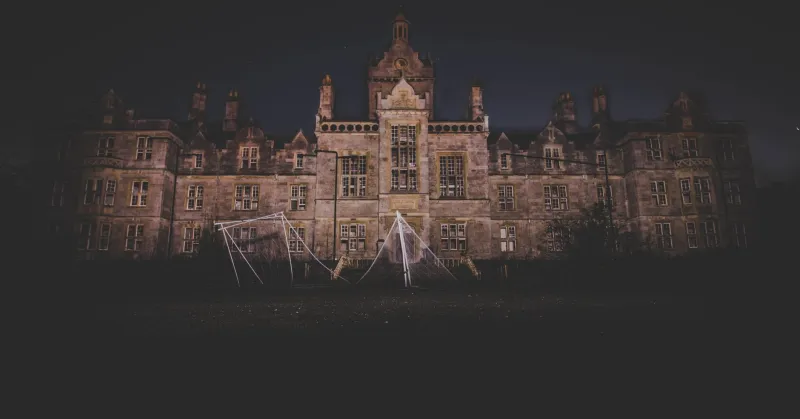
Lawn of the Dead: Inside America's Obsessive World of Extreme Home Haunting
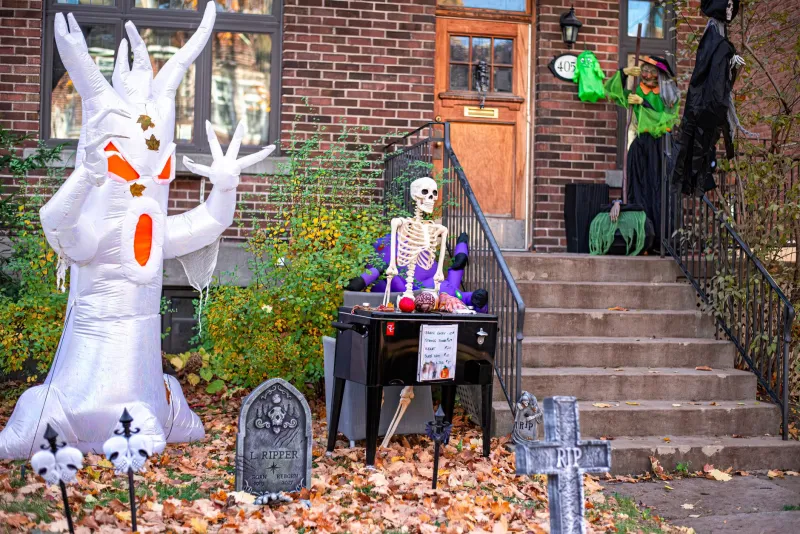
The dragon started as a sketch on a napkin.
By the time it was finished — a fifteen-foot animatronic with articulated wings, glowing eyes, and a smoke machine buried in its chest — it had consumed two full summers, a rebuilt garage workshop, and what its creator cheerfully describes as "a mid-five-figure investment."
"My wife drew the line at the fog chiller," he laughs. "Then she helped me wire the fog chiller."
Welcome to the world of extreme home haunting, where ordinary Americans transform ordinary suburban lawns into elaborate, theatrical nightmares — and where the line between hobby and obsession gets blurrier every October.
Not a Decor, an Attraction
Let's get one thing straight: these aren't the people with an inflatable pumpkin and a wreath. The home haunters at the top of this scene build full walk-through experiences. Corridor mazes made of plywood and blacklight paint. Synchronized light-and-sound shows triggered by motion sensors. Actors — sometimes the homeowner, sometimes recruited neighbors, occasionally paying-off-their-car-payment teenagers — lurking in the set pieces.
The best of them rival commercial haunted attractions. And that's not an accident. Many of these builders got their start working pro haunts, or graduated from a single foam tombstone into full scene-building after realizing that Home Depot's Halloween aisle simply wasn't enough.
The craft is genuinely impressive. These haunters trade techniques on forums and YouTube: how to corpse a skeleton with spray foam and cheesecloth, how to build a monster out of a washing machine motor, how to weather plywood so it looks like it's been rotting in a graveyard for a century. There's a whole vernacular — "ground breakers," "jump scares," "scare zones" — and an unspoken arms race between neighbors.
The Neighborhood Drama Is Real
Of course, when your front lawn becomes a destination, your neighbors have opinions.
Most home haunters describe a familiar arc. Year one: the neighbors are delighted. Year three: the traffic starts. By year five, there are people parking three blocks away, a line down the sidewalk every weekend night, and at least one formal complaint to the HOA about "light pollution" and "the screaming."
The pros in this scene learn to manage it. They post clear hours. They set up donation jars for local charities, which buys a lot of goodwill. They talk to the neighbors before the season starts, not after the police do. One haunter we heard about throws a pre-season preview party for his immediate street every September — a diplomatic masterstroke that has kept the peace for a decade.
Not every story ends well. There are legends of legendary feuds, displays torn down mid-October, and at least one haunter who moved houses specifically to get a bigger yard and more forgiving zoning.
The Competitive Scene Nobody Saw Coming
Here's the twist: home haunting is going semi-pro.
Regional haunt tours and social media have created a competitive circuit. Home haunters visit each other's displays like golfers playing famous courses. There are awards — informal, fiercely contested — and a growing ecosystem of YouTube channels documenting builds with the production value of home renovation shows.
Some haunters now monetize: Patreon pages, build tutorials, even fabricating props for sale to other hobbyists. A few have parlayed their yards into jobs designing commercial attractions. The garage workshop has become, for a lucky few, a legitimate career path.
And the audience keeps growing. In an era when a commercial haunt ticket can run fifty bucks, a free, genuinely terrifying walk-through in a stranger's front yard feels like a small miracle of American weirdness.
Why They Do It
Ask enough home haunters why they do it and you'll notice the answers converge. It's rarely about scaring people, exactly.
It's about building something with your hands. It's about the kid who walks up on October 30th and says it's the coolest thing they've ever seen. It's about being the house. Every neighborhood has one — the house kids remember decades later.
"I'll be honest," one haunter told us, standing in his yard surrounded by half-finished ghouls in broad September daylight. "Halloween night itself is chaos. It's loud, I'm exhausted, the fog machine jams. But in July, when I'm out here building at 10 p.m. after work, that's mine. That's the best part."
The dragon, by the way, is getting an upgrade this year. The wings will flap.
His wife helped.