365 Days of Dread: How the Halloween Industry Stopped Caring What Month It Is
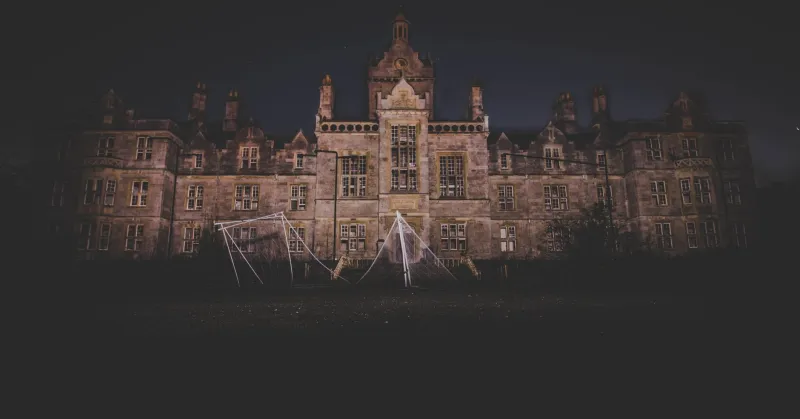
Ask someone when Halloween season starts, and you'll get wildly different answers depending on who you ask. Some will say October 1st. A growing number will say September 1st. And a dedicated, increasingly large chunk of the American population will look at you like the question itself doesn't make sense — because for them, spooky season doesn't start or end. It just is.
This isn't an accident. It's a business strategy, a cultural shift, and a consumer behavior trend that has been building for years. The Halloween and horror entertainment industry has done something remarkable: it broke free from the calendar entirely.
The Old Model and Why It Cracked
For most of its commercial history, Halloween operated on a tight window. Retailers started stocking shelves in late September. Haunted attractions opened in early October. By November 1st, the skeletons were gone and the turkeys were out. The entire economic machine ran on roughly four weeks of consumer activity.
That model worked — until it didn't. The limitations were obvious from a business standpoint. You were building elaborate, expensive infrastructure for a single-month return. Haunted houses invested in sets, staffing, marketing, and logistics for maybe 25-30 operating nights per year. The math was always a little uncomfortable.
Then a few operators started asking the obvious question: what if we just... didn't close?
Haunted Attractions Lead the Charge
The year-round haunted attraction model didn't emerge from a corporate boardroom. It grew organically from operators who realized their audiences weren't seasonal — they were just conditioned to think they were.
Attractions like Netherworld in Georgia and Erebus in Michigan began experimenting with extended seasons and off-season events. They discovered something important: when you offer the experience, people show up. The demand was always there. The supply side had just been artificially limiting itself.
Today, a growing number of major haunted attractions operate year-round or near year-round, pivoting their themes and programming to match different seasons. Valentine's Day becomes a "Lovers' Lane" horror experience. Summer gets a heat-drenched nightmare theme. Christmas horror — think twisted takes on holiday classics — has become its own legitimate subgenre of attraction.
Universal's Halloween Horror Nights at both its Orlando and Hollywood parks now runs for months rather than weeks, generating massive revenue and demonstrating to the industry that extended seasons aren't just viable — they're wildly profitable. Knott's Scary Farm in California follows a similar playbook. These aren't fringe operations testing a theory anymore. They're proof of concept at massive scale.
Streaming Rewired the Content Calendar
On the entertainment side, streaming platforms played an enormous role in dismantling horror's seasonal boundaries. When Netflix, Hulu, Shudder, and their competitors need content to fill 365 days of programming, horror becomes a year-round content category rather than a seasonal one.
Shudder — the horror-dedicated streaming service that has become essential viewing for genre fans — releases new content continuously throughout the year. Its subscriber base has grown significantly, and its programming strategy has trained horror audiences to expect new material in January just as readily as they expect it in October.
The ripple effect on viewing behavior is real. According to various streaming analytics discussions, horror content sees strong engagement well outside of October. Summer horror has become a genuine content moment, driven partly by nostalgia (summer camp slashers, anyone?) and partly by audiences who simply don't compartmentalize their genre preferences anymore.
Retail Stretched the Season From Both Ends
Walk into a Michaels, HomeGoods, or Spirit Halloween (when it materializes in its annual pop-up form) and you'll notice that Halloween merchandise is appearing earlier every year. What was once a September phenomenon crept into August. August crept toward late July. Some major retailers now have permanent or semi-permanent Halloween and gothic décor sections that never fully disappear.
This isn't retailers being overly aggressive — it's retailers responding to actual consumer behavior. The "Halloween Creep," as some media outlets have called it, is demand-driven. Consumers who identify strongly with Halloween and horror aesthetics don't want to shop in a four-week window. They want to buy their skull candle holders in June if that's when they feel like it.
The rise of year-round Halloween specialty stores and online retailers like Grandin Road, Grandin Road, and various Etsy sellers focused on gothic home décor has created a permanent retail infrastructure that exists entirely outside the October window.
Why Americans Can't Quit the Spooky Season
Beyond the business mechanics, there's a genuine cultural hunger driving all of this. Horror and Halloween aesthetics offer something that's genuinely hard to find in other entertainment categories: permission to engage with darkness in a fun, communal, controlled way.
For a lot of people — particularly younger Americans — Halloween and horror represent a kind of emotional exhale. The imagery is intense, but the stakes are fictional. The fear is real, but it's safe. In a news cycle that can feel genuinely threatening on a daily basis, there's something almost therapeutic about choosing to be scared on your own terms.
That psychological function doesn't respect the calendar. People don't stop needing emotional release in February. They don't stop craving communal experiences in July. The horror and Halloween industry, to its credit, figured this out and started building supply to meet the demand.
What Year-Round Spooky Season Actually Looks Like
For the true believers — and there are more of them every year — the year-round Halloween lifestyle looks something like this: January brings horror movie marathons and post-holiday sales on décor. February means dark romance horror events at attractions. Spring and summer offer escape rooms, immersive horror experiences, and outdoor scare trails. September kicks off the main haunted attraction season. October is the Super Bowl. November and December bring Christmas horror, krampus events, and the quiet satisfaction of planning next year's costume.
It's a full calendar. And for a growing slice of the American entertainment market, it's not a niche lifestyle choice — it's just how they live.
October is still the main event. But the pregame and the afterparty have gotten a lot longer. And honestly? We're not complaining.