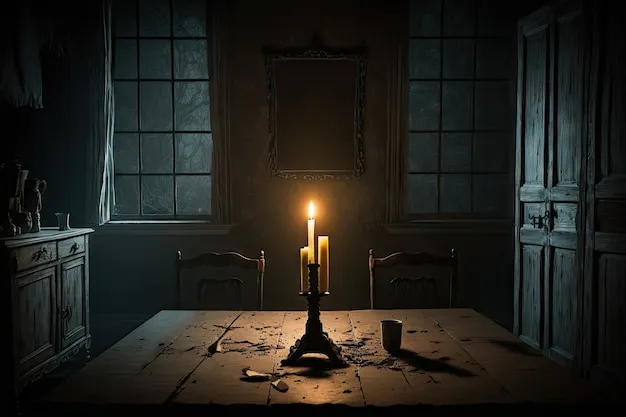
Disclosure of the Damned: The Strange Economics of Buying a Haunted House in America
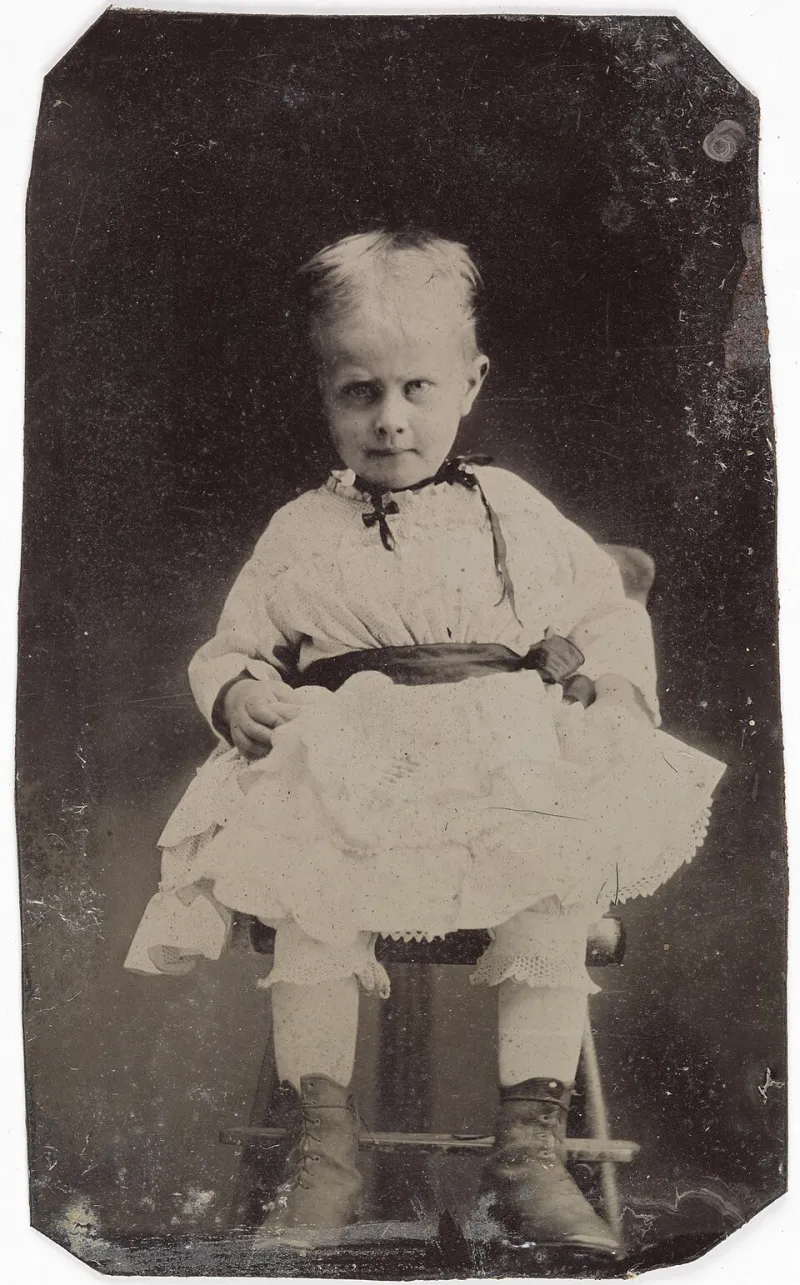
Photo: Fylkesarkivet i Sogn og Fjordane, No restrictions, via Wikimedia Commons
Every October, a certain kind of buyer starts browsing Zillow with different search terms. Not 'granite countertops' or 'good schools,' but things like 'murder house for sale' and 'haunted mansion Ohio.' And here's the twist: they can actually find them. America has a genuine, functioning market for stigmatized properties — homes whose value is shaped not by square footage or school districts, but by what happened inside them.
The Ghost Premium Is Real
Ask most people whether a haunted history would tank a home's price and they'll say yes. The data says: it depends on which history.
Murder and death on the property? That's stigma, and stigma usually means a discount — often 10 to 25 percent below comparable homes, sometimes more if the case made national news. The house where a notorious crime happened can sit on the market for years, a real estate purgatory no staging budget can fix.
But ghosts? Ghosts can be a feature. Homes with documented 'hauntings' — the kind with books written about them, ghost tour stops, paranormal investigation teams on speed dial — routinely command a premium. The Sallie House in Atchison, Kansas. The Squire's Castle legends outside Cleveland. Properties marketed openly as 'haunted' in Salem, Massachusetts, or New Orleans' French Quarter often sell at or above market rate, because the buyer pool isn't shrinking. It's changing. You're no longer selling to families. You're selling to Halloween enthusiasts, B&B operators, and content creators who see a creaky staircase and think 'revenue.'
What Your State Legally Owes You (Spoiler: Almost Nothing)
Here's where it gets uncomfortable. Federal law is silent on stigmatized properties. Disclosure is a state-by-state patchwork, and the patchwork has holes you could drive a hearse through.
Most states require sellers to disclose material physical defects — the cracked foundation, the leaky roof. A murder? A suicide? An 'unexplained presence'? In the majority of states, that's considered psychological stigma, not a physical defect, and there's no obligation to mention it. In some states, a realtor can legally answer 'no' when asked if a home is haunted, because the law treats the question itself as potentially discriminatory against the seller.
A handful of states do better. California requires disclosure of deaths on a property within three years. Massachusetts requires disclosure if a buyer asks directly. New York has the famously misnamed 'Ghostbuster Ruling' from a 1991 court case, which held that if a house is advertised as haunted, the haunting is a material fact — you can't market the ghost and then act surprised when the buyer wants out.
The practical advice from every attorney we spoke to: ask in writing, get answers in writing, and know that in most of America, silence is not a lie.
We Talked to the Realtors Who Specialize in This
Stigmatized-property specialists are a small but real niche in American real estate. They describe a client base split into two camps: the distressed sellers who need a crime-scene home gone fast, and the true believers who've been hunting a specific haunted property for years.
The specialists' playbook is fascinating. For murder houses, the strategy is usually privacy — sell quietly, avoid the address going viral, maybe even change the listing photos so the home isn't instantly recognizable to true-crime sleuths. For haunted properties, the exact opposite: lean in. Historical documentation, newspaper clippings, paranormal team reports — all of it goes in the listing. One agent described a Victorian in the Midwest that sold for 40 percent over asking because of its century-old ghost lore, to a couple who now run it as a seasonal haunt attraction every October.
Would You Sign the Deed?
The honest answer about value is this: stigma fades, fame compounds. A crime scene discount tends to shrink over decades as memories dull — unless the case becomes a podcast, in which case the discount becomes permanent. Hauntings work in reverse: the longer the lore, the more valuable the legend.
So if you find yourself browsing stigmatized listings this Halloween season, remember the realtor's golden rule: the house doesn't care what happened there. The market does. And the market, apparently, loves a good ghost story.