Monsters of Their Own Making: How Horror Superfans Picked Up Cameras and Started Scaring Back
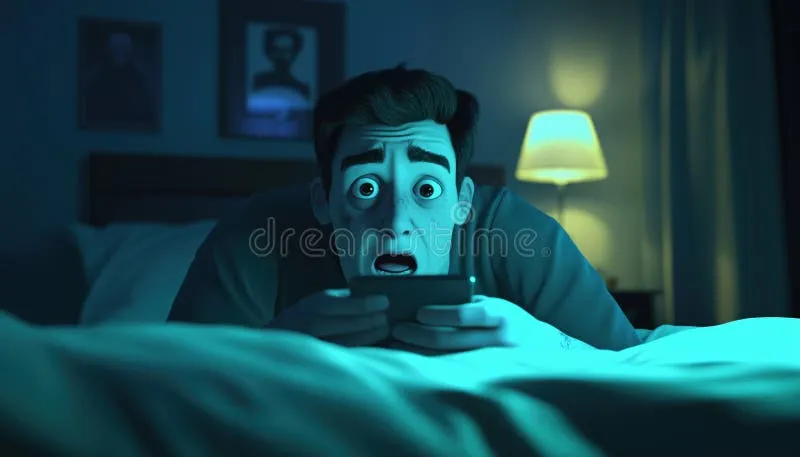
Photo: young filmmaker shooting horror video with smartphone camera in dark room, via thumbs.dreamstime.com
There's a moment every hardcore horror fan knows well. You're sitting through something that should terrify you, and instead you're mentally rewriting the script — thinking about what you would have done with that lighting, that sound design, that completely wasted jump scare setup. For a long time, that itch had nowhere to go. You watched, you rewatched, and you talked about it online until the algorithm buried your takes.
That's not the story anymore.
Across TikTok, YouTube, and a growing constellation of indie streaming platforms, horror fans are picking up cameras and turning their obsession into actual content. Some are shooting five-second scares in their parents' basements. Others are producing feature-length films with zero studio backing and a whole lot of nerve. Either way, something genuinely exciting is happening at the grassroots level of horror — and it's starting to ripple outward into the mainstream.
The Phone in Your Pocket Is a Horror Studio
The barrier to entry for horror has never been lower, and that's not a throwaway observation. When you think about what the genre actually needs to work — tension, atmosphere, sound design, a decent enough monster reveal — none of that strictly requires a Hollywood budget. It requires craft. And craft, unlike cash, is something you can develop on your own time.
TikTok has become a legitimately weird and wonderful proving ground for short-form horror. Creators like @zacktok and a wave of anonymous accounts have built massive followings by doing one thing exceptionally well: understanding the rhythm of a scare. The platform's vertical format, its autoplay loop, its sound-on culture — these aren't limitations. In the hands of someone who grew up dissecting A Quiet Place and Hereditary frame by frame, they're tools.
YouTube offers more room to breathe, and horror creators there have used that space to build micro-studios out of almost nothing. Short film channels dedicated entirely to original horror content have racked up subscriber counts that would make mid-tier cable networks nervous. The audience is there. It was always there. It just needed someone to make something worth watching.
From Fan to Filmmaker: The DIY Horror Pipeline
What's fascinating about this shift isn't just the content itself — it's how the journey from superfan to creator has become its own kind of horror origin story.
Take the pattern you see repeated across dozens of emerging voices in the space: someone starts by posting reaction videos or horror deep-dives, builds a community around shared taste, then gradually starts testing original ideas in the comments. The audience that formed around their analysis of horror becomes the first audience for their creation of it. It's a feedback loop that traditional filmmaking paths simply don't offer.
Indie platforms like Shudder have started paying attention. The streamer, which has carved out a serious reputation as the home of elevated and adventurous horror, has increasingly looked to the creator ecosystem as a talent pipeline rather than just a marketing channel. When a short film blows up organically because a horror community rallied behind it, that's a signal the industry is learning to read.
Beyond streaming, film festivals like Shriekfest in Los Angeles and the Telluride Horror Show have become critical launchpads for creator-filmmakers who built their initial audience online. The path from TikTok to a festival screening isn't a straight line, but it exists now in a way it simply didn't five years ago.
The Community Is the Co-Creator
Here's what separates the horror creator ecosystem from almost any other genre space online: the audience doesn't just consume, it participates. Horror fans are notoriously opinionated, deeply knowledgeable, and completely willing to spend hours in comment sections debating the lore implications of a 30-second video.
Smart creators have figured out how to harness that energy. They post incomplete stories and let the community fill in the gaps. They crowdsource monster designs. They run polls about plot directions. They build alternate reality games into their content that reward obsessive viewers with hidden story threads.
This isn't just a content strategy — it's a fundamentally different relationship between creator and audience than Hollywood has ever offered. When a fan feels like they helped make the thing they love, their investment in it goes way beyond passive viewership. They become evangelists. They share. They defend it. They bring new people in.
That grassroots amplification has real consequences for what kinds of horror get visibility. Stories centered on communities that mainstream horror has historically ignored — queer horror, horror rooted in specific regional or cultural experiences, horror that interrogates race and identity without flinching — are finding audiences through these channels in ways the traditional industry never facilitated.
What This Means for the Genre's Future
It would be easy to frame this whole phenomenon as a cute hobby trend — fans playing filmmaker until the real industry comes along. That framing misses what's actually happening.
The creators building horror communities on TikTok and YouTube right now are developing skills, audiences, and creative instincts that major studios and streamers are actively trying to identify and acquire. The democratization of production tools has created a farm system for horror talent that didn't exist before, and the genre is going to look different because of it.
More importantly, the taste formation happening inside these communities is influencing what gets greenlit at higher levels. When a particular subgenre or aesthetic catches fire in the creator ecosystem — the current obsession with paranormal found footage, the resurgence of practical effects appreciation — those signals travel upstream. Development executives watch this stuff. They'd be fools not to.
Horror has always been the genre most willing to let outsiders in. It was built on outsiders. The monster makers, the practical effects obsessives, the directors who came up through exploitation cinema and dragged something genuinely artistic out of nothing — they all started somewhere scrappy. The difference now is that "scrappy" has a platform, a community, and a direct line to the audience.
The scream isn't coming from inside the house anymore. It's coming from everywhere at once. And honestly? That's exactly the kind of horror we're here for.