Storage Unit of Horrors: Where America's Halloween Props Go to Rest (or Rot)
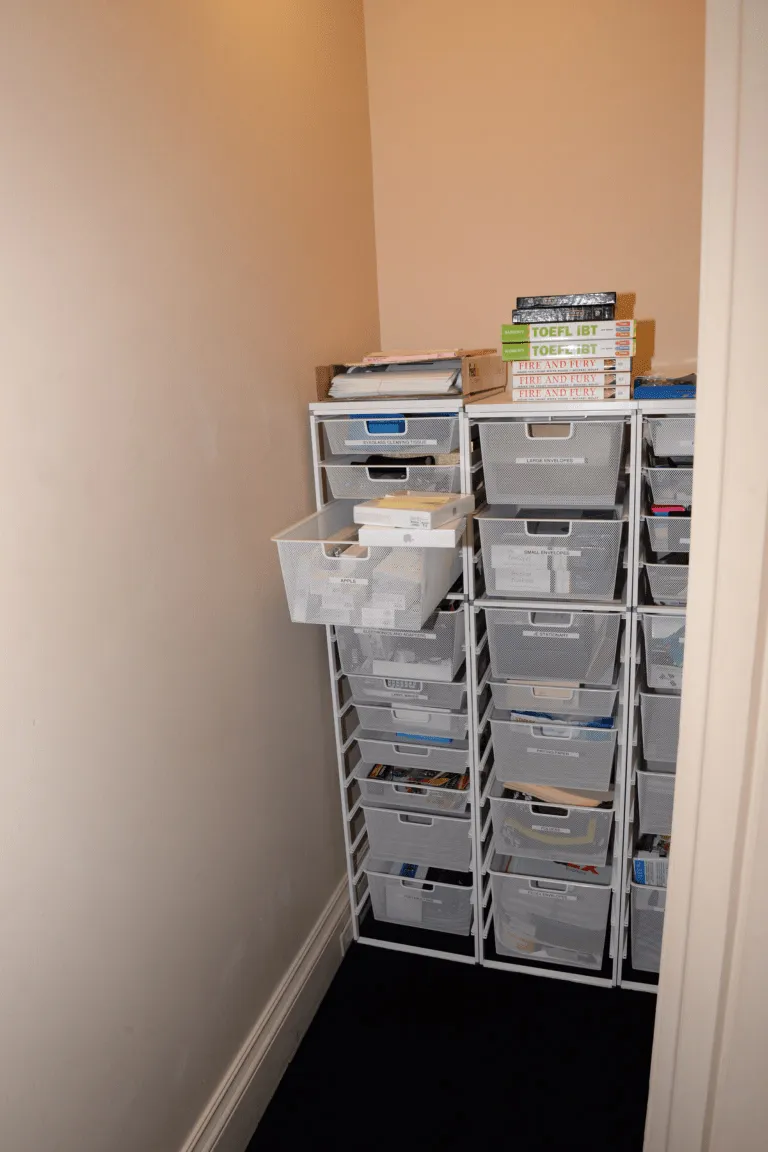
Photo: Federal Bureau of Investigation, Public domain, via Wikimedia Commons
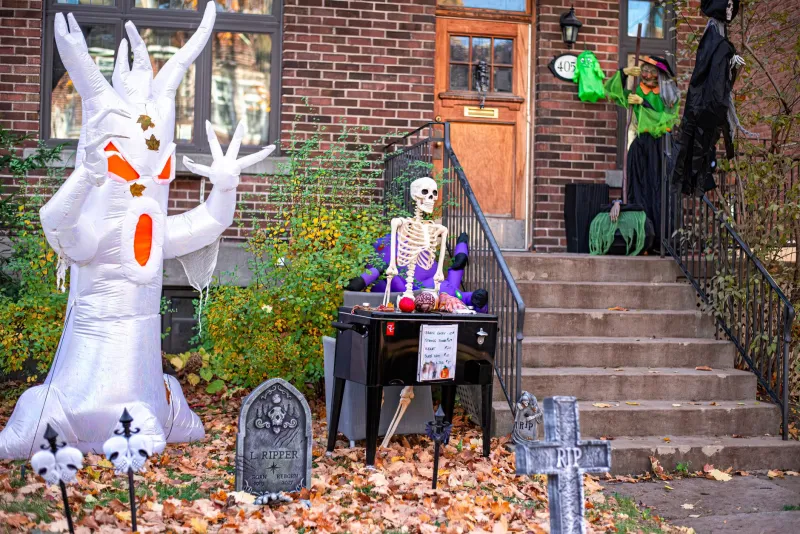
Every November, something strange happens in American garages. The tombstones get stacked. The animatronic witch loses her batteries. The 12-foot skeleton, once the undisputed king of the cul-de-sac, gets folded, zip-tied, and shoved behind the snow blower. Halloween is over, but the stuff of Halloween has to go somewhere.
That somewhere is a sprawling, mostly invisible afterlife of storage units, resale apps, haunt-community hand-me-downs, and curbside piles. As the 2026 season winds down, it's worth following the fake cobwebs out the door. The home-haunt boom has made Halloween decor bigger, louder, and more expensive than ever. The question is whether the stuff can keep up with the enthusiasm.
The November Letdown
For a lot of households, the first week of November is a quiet reckoning. The giant skeleton that felt like a bargain in September now looks like a zoning issue. The fog machine that turned the front lawn into a music video has become a bulky plastic mystery with no obvious home. And the inflatable dragon that survived exactly one rainstorm is now a damp nylon problem.
Some of it goes into storage. That means self-storage facilities, attic corners, basement shelves, and the back halves of garages that haven't seen a car since the Bush administration. Storage is the default solution, but it isn't free. A climate-controlled unit can cost more per month than the decorations did on clearance. For serious home haunters, though, storage is part of the hobby. You don't build a cemetery scene every year from scratch. You build it once, then spend the rest of your life finding space for it.
Other props go to resale. Facebook Marketplace and local buy-sell groups fill up with listings in November: skeletons with 'minor wear,' animatronics that 'worked last season,' and entire porch setups priced for someone who wants to skip the planning. The resale market is where Halloween decor gets a second act. It's also where buyers learn that a used fog machine is basically a box of mystery.
The Haunt Community Hand-Me-Down
Then there's the haunt-community pipeline. Home haunters, yard display veterans, and small charity haunts trade props like baseball cards. A busted animatronic isn't necessarily trash. It might be a donor body for someone else's build. A cracked tombstone can become a mold. A dead motor can be swapped out by a guy who has six spares in his shed and a YouTube channel about servo repair.
This is the part of the Halloween economy that doesn't show up in big-box sales numbers. It's informal, generous, and deeply weird. People drive hours to pick up a free prop skeleton. They post photos of their workshops. They argue about the best way to waterproof foam. For them, decorations aren't disposable. They're raw material.
That matters because the home-haunt boom has a sustainability problem hiding behind the fake cobwebs. Cheap inflatables and plastic props are built for a season, not a decade. When they fail, many end up in landfills. The props that survive often do so because someone in the haunt community cared enough to repair them. The rest of the market isn't built that way.
The Landfill Question
Landfills are the least romantic part of the Halloween story. A broken prop with a battery pack, a tangle of wires, and no replacement parts is hard to love. Most municipalities don't have special recycling for animatronics. Foam tombstones aren't easy to break down. Glitter-covered plastic can haunt a recycling center for years.
Some companies are trying to address this with better build quality, replaceable parts, and repair guides. Some retailers offer take-back programs, though they're still rare. The bigger shift may come from buyers. As Halloween decor gets more expensive, people have more incentive to repair rather than replace. A $300 animatronic is worth a repair attempt. A $20 inflatable usually isn't.
The 2026 season showed both sides of this. Stores sold out of premium props early. Resale listings stayed busy through October. And the post-Halloween curb piles were still there, sad and deflated, waiting for bulk pickup.
What Happens Next
The afterlife of Halloween decor isn't one story. It's a storage-unit thriller, a resale romance, a repair-shop drama, and sometimes a landfill tragedy. The home-haunt economy has made American yards more ambitious than ever. Now it needs an exit plan that's just as creative.
So before you drag the skeleton to the curb, consider the haunt-community swap. Before you buy a new fog machine, check the repair videos. And before you rent a storage unit for the witch, ask yourself if she'd rather be donated to a local yard haunt. Halloween is supposed to be about second chances and things that won't stay dead. The decor should get the same courtesy.